

Phospho-ERK 1/2 (Y222/205) Polyclonal Antibody, 100µg, (ATB-P0497)
$238.00
- Description
- Size Guide
- Reviews (0)
Description
Background:
This gene encodes a member of the MAP kinase family. MAP kinases, also known as extracellular signal-regulated kinases (ERKs), act as an integration point for multiple biochemical signals, and are involved in a wide variety of cellular processes such as proliferation, differentiation, transcription regulation and development. The activation of this kinase requires its phosphorylation by upstream kinases. Upon activation, this kinase translocates to the nucleus of the stimulated cells, where it phosphorylates nuclear targets. One study also suggests that this protein acts as a transcriptional repressor independent of its kinase activity. The encoded protein has been identified as a moonlighting protein based on its ability to perform mechanistically distinct functions. Two alternatively spliced transcript variants encoding the same protein, but differing in the UTRs, have been reported for this gene. [provided by RefSeq, Jan 2014]
Serine/threonine kinase which acts as an essential component of the MAP kinase signal transduction pathway. MAPK1/ERK2 and MAPK3/ERK1 are the 2 MAPKs which play an important role in the MAPK/ERK cascade. They participate also in a signaling cascade initiated by activated KIT and KITLG/SCF. Depending on the cellular context, the MAPK/ERK cascade mediates diverse biological functions such as cell growth, adhesion, survival and differentiation through the regulation of transcription, translation, cytoskeletal rearrangements. The MAPK/ERK cascade plays also a role in initiation and regulation of meiosis, mitosis, and postmitotic functions in differentiated cells by phosphorylating a number of transcription factors. About 160 substrates have already been discovered for ERKs. Many of these substrates are localized in the nucleus, and seem to participate in the regulation of transcription upon stimulation. However, other substrates are found in the cytosol as well as in other cellular organelles, and those are responsible for processes such as translation, mitosis and apoptosis. Moreover, the MAPK/ERK cascade is also involved in the regulation of the endosomal dynamics, including lysosome processing and endosome cycling through the perinuclear recycling compartment (PNRC); as well as in the fragmentation of the Golgi apparatus during mitosis. The substrates include transcription factors (such as ATF2, BCL6, ELK1, ERF, FOS, HSF4 or SPZ1), cytoskeletal elements (such as CANX, CTTN, GJA1, MAP2, MAPT, PXN, SORBS3 or STMN1), regulators of apoptosis (such as BAD, BTG2, CASP9, DAPK1, IER3, MCL1 or PPARG), regulators of translation (such as EIF4EBP1) and a variety of other signaling-related molecules (like ARHGEF2, DCC, FRS2 or GRB10). Protein kinases (such as RAF1, RPS6KA1/RSK1, RPS6KA3/RSK2, RPS6KA2/RSK3, RPS6KA6/RSK4, SYK, MKNK1/MNK1, MKNK2/MNK2, RPS6KA5/MSK1, RPS6KA4/MSK2, MAPKAPK3 or MAPKAPK5) and phosphatases (such as DUSP1, DUSP4, DUSP6 or DUSP16) are other substrates which enable the propagation the MAPK/ERK signal to additional cytosolic and nuclear targets, thereby extending the specificity of the cascade. Mediates phosphorylation of TPR in respons to EGF stimulation. May play a role in the spindle assembly checkpoint. Phosphorylates PML and promotes its interaction with PIN1, leading to PML degradation.
Product datasheet:
Overview | |
| Product Description | Phospho-ERK 1/2 (Y222/205) Polyclonal Antibody, 100µg, (ATB-P0497) |
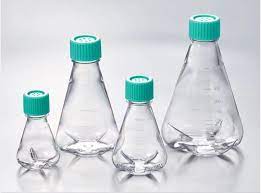
| Image |  |
| Species Reactivities | Human,Mouse,Rat |
| Immunogen | Synthesized peptide derived from human ERK 1/2 around the phosphorylation site of Y222/205. |
Properties | |
| Form | Liquid in PBS containing 50% glycerol, 0.5% BSA and 0.02% sodium azide. |
| Storage Instructions | -20°C/1 year |
| Clonality | Polyclonal |
References:
- The RASopathies as an example of RAS/MAPK pathway disturbances – clinical presentation and molecular pathogenesis of selected syndromes. Bezniakow N, et al. Dev Period Med, 2014 Jul-Sep. PMID 25182392
- Cadmium induces vascular permeability via activation of the p38 MAPK pathway. Dong F, et al. Biochem Biophys Res Commun, 2014 Jul 18. PMID 24909688
- Activity of sputum p38 MAPK is correlated with airway inflammation and reduced FEV1 in COPD patients. Huang C, et al. Med Sci Monit, 2013 Dec 31. PMID 24382347 Free PMC Article
- Basal p38 mitogen-activated protein kinase regulates unliganded glucocorticoid receptor function in airway smooth muscle cells. Bouazza B, et al. Am J Respir Cell Mol Biol, 2014 Feb. PMID 24024586 Free PMC Article
- Prognostic impact of pERK in advanced hepatocellular carcinoma patients treated with sorafenib. Chen D, et al. Eur J Surg Oncol, 2013 Sep. PMID 23845703
- Extracellular signal-regulated kinases in T cells: characterization of human ERK1 and ERK2 cDNAs.
Owaki H., Makar R., Boulton T.G., Cobb M.H., Geppert T.D.
Biochem. Biophys. Res. Commun. 182:1416-1422(1992) [PubMed] [Europe PMC] Cited for: NUCLEOTIDE SEQUENCE [MRNA] (ISOFORM 1). - Heterogeneous expression of four MAP kinase isoforms in human tissues.
Gonzalez F.A., Raden D.L., Rigby M.R., Davis R.J.
FEBS Lett. 304:170-178(1992) [PubMed] [Europe PMC] Cited for: NUCLEOTIDE SEQUENCE [MRNA] (ISOFORM 1). - Identification of dominant negative Erk1/2 variants in cancer cells.
Cheng H., Ren S., Qiu R., Wang M., Feng Y.H.
Submitted (FEB-2006) to the EMBL/GenBank/DDBJ databasesCited for: NUCLEOTIDE SEQUENCE [MRNA] (ISOFORM 2), ALTERNATIVE SPLICING. - The DNA sequence of human chromosome 22.
Dunham I., Hunt A.R., Collins J.E., Bruskiewich R., Beare D.M., Clamp M., Smink L.J., Ainscough R., Almeida J.P., Babbage A.K., Bagguley C., Bailey J., Barlow K.F., Bates K.N., Beasley O.P., Bird C.P., Blakey S.E., Bridgeman A.M.Cited for: NUCLEOTIDE SEQUENCE [LARGE SCALE GENOMIC DNA].
- The status, quality, and expansion of the NIH full-length cDNA project: the Mammalian Gene Collection (MGC).
The MGC Project Team
Genome Res. 14:2121-2127(2004) [PubMed] [Europe PMC] Cited for: NUCLEOTIDE SEQUENCE [LARGE SCALE MRNA] (ISOFORM 1). Tissue: Lung.

| size | chest(in.) | waist(in.) | hips(in.) |
|---|---|---|---|
| XS | 34-36 | 27-29 | 34.5-36.5 |
| S | 36-38 | 29-31 | 36.5-38.5 |
| M | 38-40 | 31-33 | 38.5-40.5 |
| L | 40-42 | 33-36 | 40.5-43.5 |
| XL | 42-45 | 36-40 | 43.5-47.5 |
| XXL | 45-48 | 40-44 | 47.5-51.5 |


Reviews
There are no reviews yet.